Ramadan in Makkah is an experience that is difficult to describe in words. The atmosphere, the spiritual connection, the beautiful sound of the Adhan and the sight of thousands of Muslims gathering around the Kaaba create memories that stay with you for a lifetime.
For Muslims travelling from the UK, performing Umrah during Ramadan is often a lifelong dream. It is a time when the rewards of worship are especially significant, and every moment spent in the holy city feels meaningful. From offering Taraweeh prayers in Masjid al-Haram to sharing Iftar with fellow Muslims, there is something special about experiencing Ramadan in the heart of Makkah.
Having spent years in the Umrah industry, I have seen how much this journey means to pilgrims. It is not simply about visiting a destination; it is about reconnecting with faith, finding peace and creating memories that remain long after returning home.
If you are planning your spiritual journey, here are 10 meaningful things to experience in Makkah during Ramadan.
1. Experience the Beauty of Iftar at Masjid al-Haram
One of the most memorable experiences in Makkah during Ramadan is breaking your fast at Masjid al-Haram.
As sunset approaches, pilgrims begin finding places to sit inside the mosque and its surrounding courtyards. Volunteers distribute dates, water and simple Iftar meals, while people from different countries sit together regardless of their background.
When the Adhan of Maghrib begins, thousands of people break their fast at the same moment. It is a beautiful reminder of the unity of the Muslim Ummah.
For many visitors, sharing Iftar in the Haram becomes one of the highlights of their entire Umrah journey.
2. Perform Umrah During the Blessed Month of Ramadan
Performing Umrah during Ramadan is a dream for many Muslims. The spiritual atmosphere of Makkah during this month makes the experience particularly special.
Every part of the journey, from entering Ihram to completing Tawaf and Sa’i, feels deeply meaningful. The opportunity to perform these acts of worship while fasting and surrounded by fellow Muslims is something many pilgrims treasure.
The Prophet Muhammad (peace be upon him) mentioned the great virtue of performing Umrah in Ramadan, comparing its reward to Hajj in reward.
However, pilgrims should remember that this does not replace the obligation of Hajj.
If you are considering travelling from Britain, researching suitable Ramadan Umrah Packages from UK can help you organise your flights, accommodation and transport in advance, allowing you to focus more on your worship.
3. Attend Taraweeh Prayers in Masjid al-Haram
Taraweeh prayers in Masjid al-Haram are among the most unforgettable experiences of Ramadan.
Imagine standing shoulder to shoulder with thousands of worshippers as the Imam recites the Quran. The beautiful recitation echoes throughout the mosque, creating an atmosphere of reflection and devotion.
People travel from all over the world to experience these prayers. Even those who have visited Makkah before often describe Ramadan Taraweeh as something entirely different.
It is worth planning your daily routine around prayer times, allowing enough time to reach the mosque and find a comfortable place.
4. Spend Time Making Dua in Front of the Kaaba
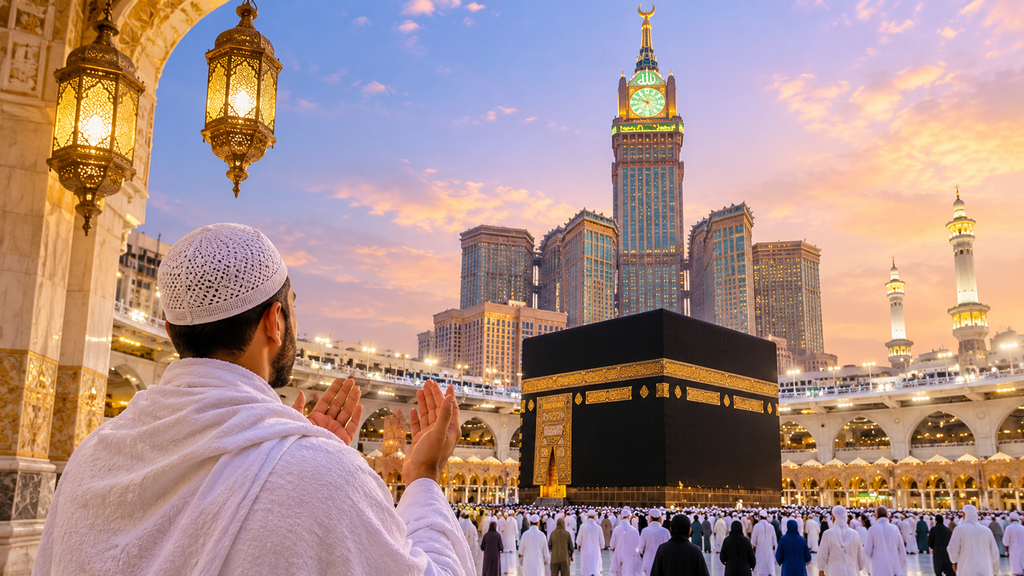
Standing in front of the Kaaba is an emotional experience for many Muslims. During Ramadan, this feeling can become even more profound.
Take some quiet time to make personal duas, ask Allah for forgiveness and pray for your family, friends and the wider Muslim community.
You do not need complicated words to make dua. Speak sincerely and ask Allah for what is in your heart.
Although the Haram can become very busy, especially during the last ten nights, finding moments for personal reflection can make your visit even more meaningful.
5. Experience the Peaceful Atmosphere After Fajr
While many visitors focus on the evening activities, early mornings in Makkah have their own beauty.
After Fajr prayer, the atmosphere around Masjid al-Haram can feel calmer compared with the busy evening hours. It is a wonderful opportunity to sit quietly, read the Quran, complete your morning adhkar or simply reflect.
The first light of the day around the Haram creates a peaceful setting for worship.
For pilgrims who want to make the most of their Ramadan Umrah, these early morning hours can become some of the most rewarding parts of the day.
6. Visit the Cave of Hira (Jabal al-Noor)
For those interested in Islamic history, visiting Jabal al-Noor is a memorable experience.
This mountain is home to the Cave of Hira, where Prophet Muhammad (peace be upon him) received the first revelation of the Quran through Angel Jibreel.
The site holds enormous historical and spiritual significance.
The climb can be physically demanding, particularly in warm weather, so it is important to assess your fitness before attempting it. Elderly pilgrims and anyone with mobility difficulties should consider whether the visit is suitable.
Remember that visiting the cave is not an obligatory part of Umrah. It is simply an opportunity to learn more about the history of Islam.
7. Explore the Islamic History of Makkah
Makkah is not only a place of worship; it is also a city with a remarkable Islamic history.
During your stay, you can learn about the life of Prophet Muhammad (peace be upon him), the early Muslim community and the events that shaped Islam.
Consider visiting the Makkah Museum or exploring educational exhibitions where available. You can also learn about important historical locations through guided educational visits.
Understanding the history behind the holy city can add another dimension to your Umrah experience and help you appreciate the significance of the places you visit.
8. Experience the Last Ten Nights of Ramadan
The last ten nights of Ramadan hold a special place in the hearts of Muslims.
These nights include Laylat al-Qadr, the Night of Decree, which the Quran describes as better than a thousand months.
Many pilgrims make extra efforts during this period by increasing their prayers, Quran recitation, duas and other acts of worship.
The atmosphere in Masjid al-Haram becomes particularly special, with worshippers spending long hours in prayer and reflection.
If you are planning to spend the last ten nights in Makkah, it is important to arrange your accommodation and travel well in advance. Demand is usually very high during this period.
9. Enjoy Suhoor and the Ramadan Food Culture
Ramadan in Makkah is also an opportunity to experience the hospitality and food traditions of Saudi Arabia.
Before Fajr, restaurants, cafés and food outlets serve Suhoor meals for fasting visitors. You can find everything from traditional Arabic dishes to international breakfast options.
Popular choices include foul, hummus, fresh bread, eggs, dates and Arabic tea.
Sharing Suhoor with family or fellow pilgrims can be a lovely way to end the night before beginning another day of fasting and worship.
Try to eat sensibly, drink enough water during non-fasting hours and get sufficient rest, especially if you are spending long periods at the Haram.
10. Experience the Spirit of Unity Among Muslims
Perhaps the most beautiful part of Ramadan in Makkah is seeing Muslims from every corner of the world gathered in one place.
You will meet people from the UK, Africa, Asia, Europe and the Middle East, all sharing the same purpose: worshipping Allah.
Despite differences in language, culture and nationality, everyone stands together in prayer, breaks their fast together and shares the same spiritual environment.
This sense of brotherhood and unity is difficult to experience in quite the same way anywhere else.
Many pilgrims return home with a renewed appreciation for their faith and a deeper understanding of the global Muslim community.
Planning Your Ramadan Umrah from the UK
A successful Umrah journey begins with good planning. Ramadan is one of the busiest periods in Makkah, so arranging your flights, hotel and transport early can make a significant difference.
When comparing travel options, consider the following:
- Hotel location: Accommodation within walking distance of Masjid al-Haram can save considerable time and energy.
- Flight arrangements: Check flight timings, baggage allowances and any transit requirements before booking.
- Transport: Understand how airport transfers and travel between Makkah and Madinah will be arranged.
- Meal options: If meals are included, check whether they cover Suhoor and Iftar.
- Travel documents: Make sure your passport, visa and other required documents are in order.
- Physical preparation: Prepare for walking, fasting and spending extended periods in the mosque.
If you are planning ahead, exploring Umrah Packages 2027 is a sensible way to compare available travel arrangements and understand your options before demand increases.
Choose a package that suits your budget, accommodation preferences and family requirements rather than focusing on price alone.
Final Thoughts
Ramadan in Makkah is much more than a religious trip. It is an opportunity to strengthen your relationship with Allah, reflect on your life and experience the beauty of the Muslim community.
Whether you are breaking your fast at Masjid al-Haram, standing in Taraweeh prayer, making dua in front of the Kaaba or spending the last ten nights seeking Laylat al-Qadr, every experience can become a precious memory.
With proper preparation and the right travel arrangements, your Ramadan Umrah can be a comfortable, meaningful and spiritually rewarding journey.
May Allah invite us all to His blessed House, accept our worship and duas, and grant us the opportunity to experience Ramadan in Makkah. Ameen.